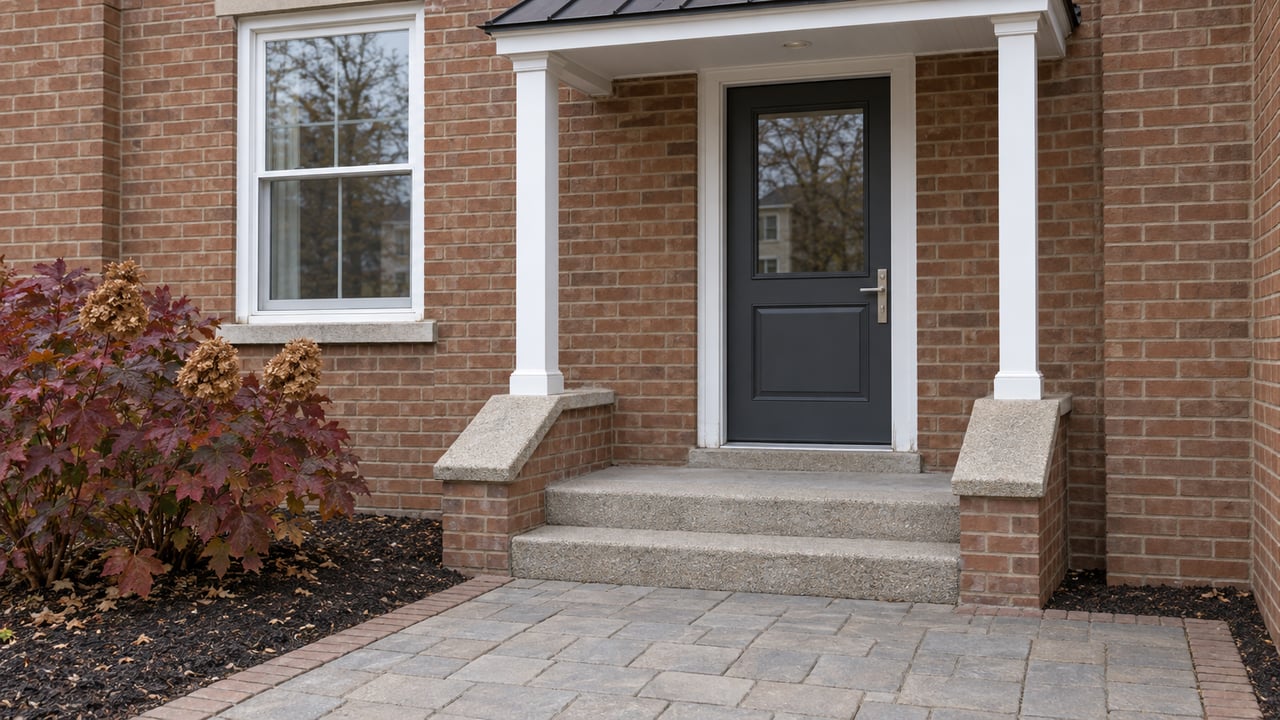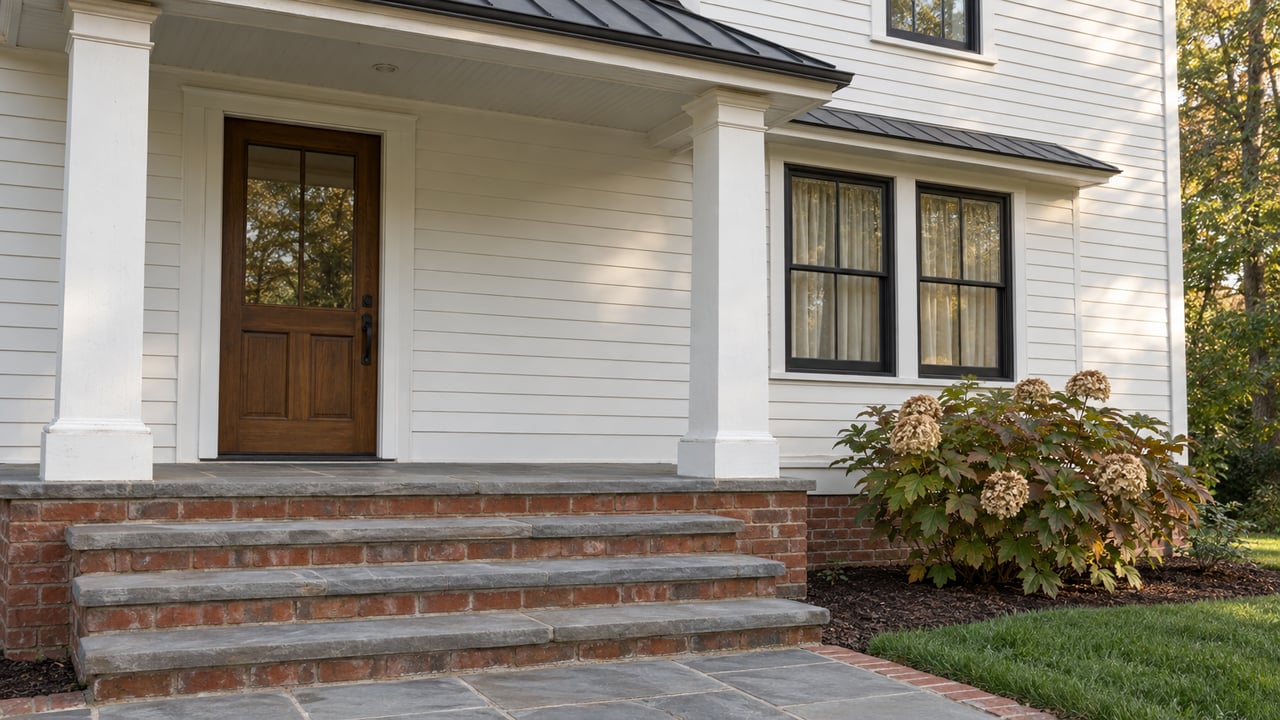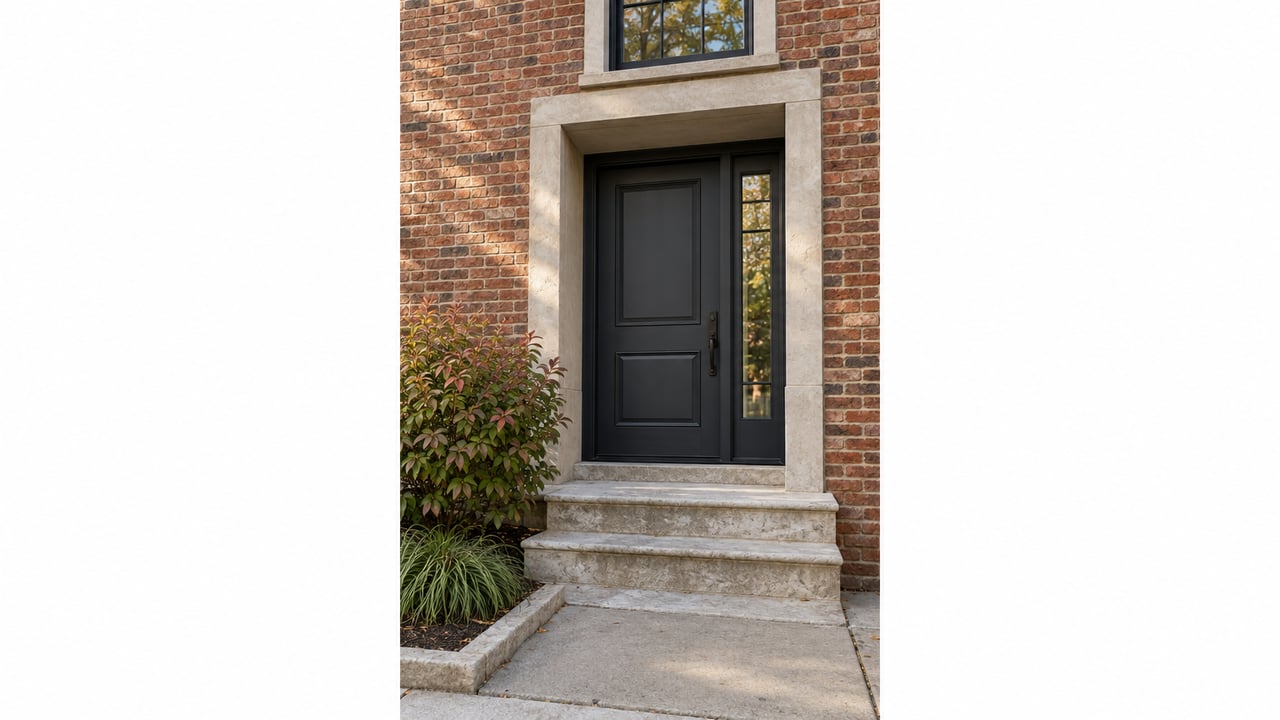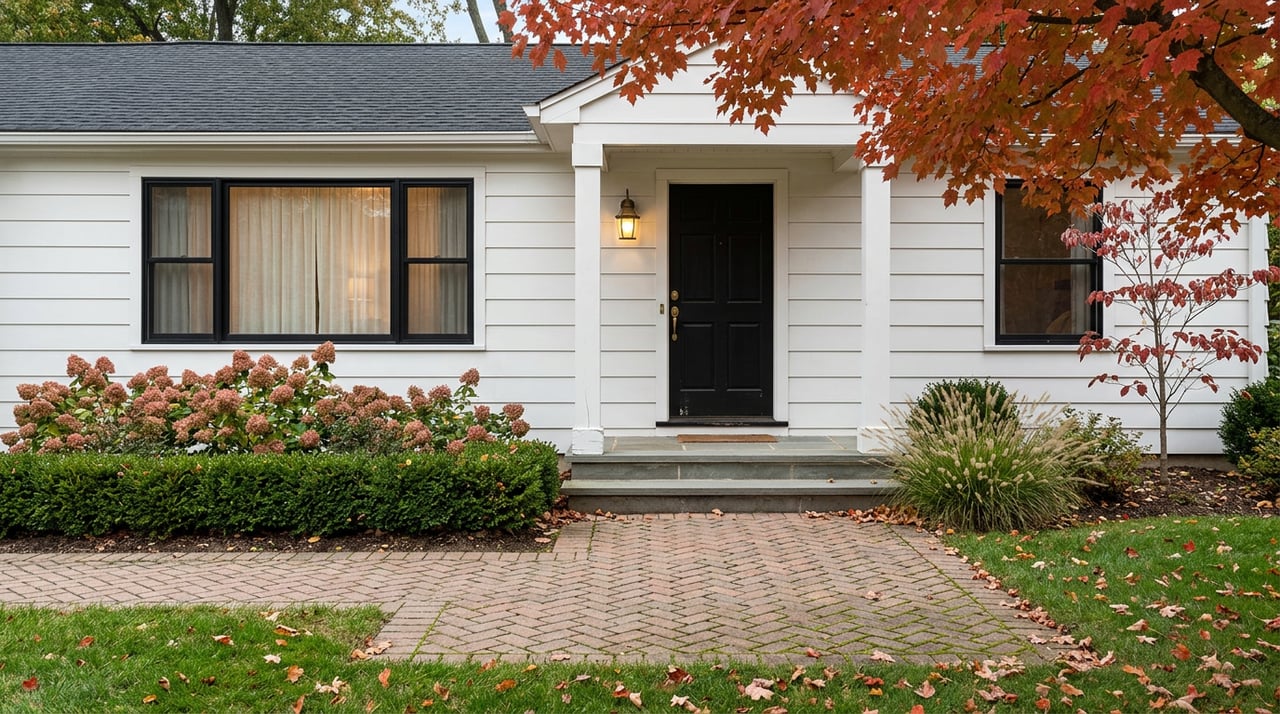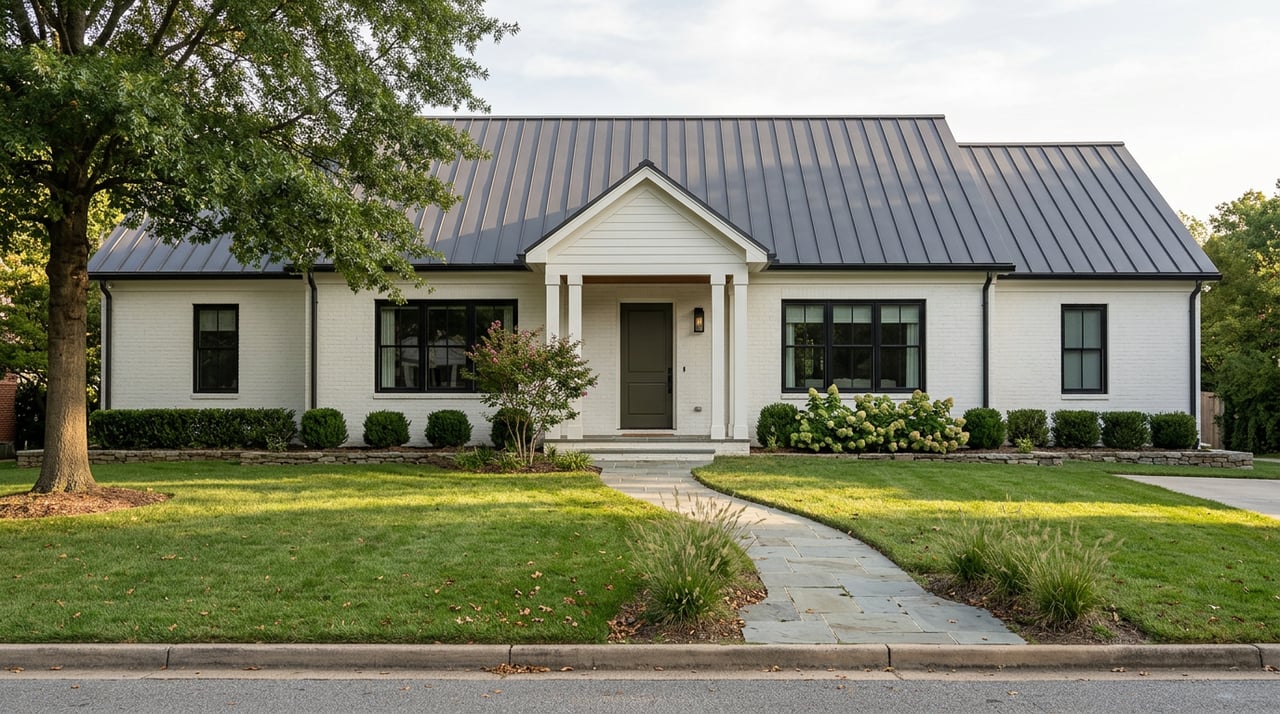
Picture two homes going under contract in Vienna the same month. Both are three-bedroom, two-bath ramblers from the early 1970s, sitting on quarter-acre lots a few streets apart. One buyer pays for a house. The other pays for a lot, and the house that comes with it is headed for a demolition permit within a few months of closing. Same era, same bones, same school pyramid on paper. The gap between them isn't the house. It's what the lot underneath is allowed to become.
That gap is the thing most buyers comparing Vienna to Oakton, McLean, or Fairfax City never see coming, because the portals show you a single median and a single price-per-square-foot line, as if every listing in town is competing in the same category. It isn't. Vienna's market runs on two different pricing logics at once, and knowing which one applies to a specific address is the difference between a fair offer and an expensive surprise at appraisal.
Where the Line Actually Falls
The Town of Vienna's own tree canopy assessment, prepared with the Kirkland & Ellis and Ramboll pro bono study, documents the pattern in plain terms: for the past several years, roughly 100 homes a year have been torn down and rebuilt on the same lot inside town limits. Most of those lots run 10,000 to 12,000 square feet, and the town caps lot coverage at 25 percent, which is the ceiling builders design against when they're maximizing a rebuild.
Once a home crosses into that category, the structure stops mattering to the price. Builders and appraisers working this market lean on a rough threshold: if the land, cleared and ready to build, is worth close to 70 percent of what the finished new home would sell for, the existing house is a teardown candidate, and every dollar spent renovating it is a dollar that won't come back at sale. Below that threshold, the house still carries real value and renovation math applies normally.
The variables that move a lot across that line aren't cosmetic. A lot with 80 feet or more of street frontage can support a side-load garage, which by itself can add tens of thousands of dollars to the land value because it solves a design problem builders otherwise can't around. A sloped lot does the opposite: retaining walls and stormwater management on a grade can eat $40,000 to $80,000 of a builder's margin before a single stud goes up, which is often enough to keep a sloped, older home out of teardown territory even when a flat one two doors down isn't.
This is why two "comparable" homes on paper can price so differently. The comp your agent pulls from the MLS might be structurally identical and still be answering a completely different question: is this a house, or is this a lot with a house temporarily on it.
The Historic District Where This Trade Works Differently
There's one part of town where this land-value math mostly doesn't apply, and it's instructive precisely because it's one of Vienna's most desirable addresses. The Windover Heights Historic District, known locally as the Hill, was established by the Town of Vienna in 1979 and carved from a subdivision platted back in 1894. Homes here span bungalow cottages to stately colonials, some dating to the late 1800s, and the district still hosts its annual Walk on the Hill garden tour, a tradition that goes back to 1974.
What keeps Windover Heights out of the standard teardown cycle isn't sentiment. It's process. Exterior modifications inside the historic district, additions, material changes, even paint colors, require a Certificate of Appropriateness from the Town's Board of Review, layered on top of ordinary zoning and county permitting. That review adds time, cost, and design constraints that a builder chasing a maximized 25-percent-coverage rebuild elsewhere in town doesn't have to plan around. It doesn't make a Windover Heights home teardown-proof. It changes the economics enough that the land-value floor driving the rest of Vienna's market applies less predictably here.
So when you're comparing a listing in Windover Heights to one in Vienna Woods, you're not comparing two neighborhoods inside the same town. You're comparing a market with a design-review brake to one without.
The School Assumption That Just Changed
Fairfax County finished its first divisionwide school boundary review in four decades this year, and the timing matters for anyone treating "Vienna" as a stable, single answer to the schools question. The Fairfax County School Board approved the new boundaries on January 22, 2026, and they took effect with the 2026-27 school year that began August 24, 2026, which means the boundaries a buyer researched last year may no longer match the boundaries in force today.
The Vienna-specific changes are real, not theoretical. The review eliminated the long-standing split feeder that sent some Vienna Elementary and Wolf Trap Elementary students to Marshall High School, folding those students into Madison instead, following a request from Town of Vienna officials. At the middle school level, some Vienna-area students shifted from Kilmer Middle to Thoreau Middle under the same plan.
The practical takeaway isn't which school is better. It's that school assignment in Fairfax County is determined address by address, not by town name, and this year proved that even a town most buyers assume is settled can see its feeder patterns redrawn. If you're comparing homes based on an assumed school assignment, verify it against the FCPS boundary tools for the specific address, not the neighborhood it sits in.
What This Means When You're Weighing Vienna Against Oakton or McLean
Once you separate the land-value story from the structure-value story, the town-to-town comparison changes shape. A single median sale price for Vienna in spring 2026 landed near $1.3 million, but that figure blends teardown-adjacent lots pricing on land alone with genuine resale homes pricing on condition and finishes, two products that don't belong on the same chart. The same blending happens in McLean and Oakton, both of which see similar rebuild activity on 1960s and 1970s stock, but each town layers its own zoning, design-review, and historic-district rules on top, so the threshold where "renovate" flips to "teardown" isn't identical from one town to the next.
There's a financing wrinkle worth knowing too. According to NFM Lending, Fairfax County's 2026 conforming loan limit for a one-unit home sits at $1,249,125, with the FHA limit matching it. A rebuild priced on land value plus new construction easily clears that number in Vienna, which pushes the purchase into jumbo financing territory even when the underlying lot wouldn't have. That's one more reason a "similar" home in a different part of town, or a different town entirely, can carry a meaningfully different qualifying process even at a comparable list price.
None of this means Vienna is overpriced or underpriced. It means the number on the listing sheet is answering a question you haven't asked yet: is this the price of a house, or the price of a lot.
A Few Questions Worth Settling Before You Offer
How do I find out if a specific address was affected by the 2026-27 boundary changes? Fairfax County Public Schools maintains a boundary locator tied to the address, and the county has confirmed it reflects the approved 2026-27 assignments. Because assignment is address-specific rather than neighborhood-specific, checking the exact address is the only reliable step, especially for a home you're actively considering.
Does living inside the Windover Heights Historic District mean a home can never be torn down? No. It means any exterior work, including a full rebuild, has to clear a Certificate of Appropriateness from the Town's Board of Review in addition to standard permitting. That extra layer changes the math for a builder weighing a teardown, which is part of why the district hasn't followed the same rebuild pace as neighborhoods like Vienna Woods.
How can I tell if a home I'm looking at is a renovation candidate or a teardown candidate? Frontage width, lot topography, and how close the home's land value sits to what a finished new build would sell for on that same lot are the factors that decide it, not the age or condition of the house alone. This is exactly the kind of read that benefits from a walk-through comparison against recent activity on the same block, not a generic renovation checklist.
If you're trying to figure out which side of that line a Vienna home falls on, or how a specific address compares once you strip out the land-value noise, I'd rather walk it with you before you write an offer than have you find out at appraisal. You can look at Vienna neighborhoods I work regularly, request a home valuation that accounts for lot economics specifically, or just reach out directly. Let's Connect.
Katrina Funkhouser is a Reston-based Associate Broker with Coldwell Banker Realty serving buyers and sellers across Northern Virginia, including Vienna, McLean, Oakton, and the surrounding Fairfax County market.
This article is general information, not legal, tax or financial advice. Consult a qualified professional about your situation.