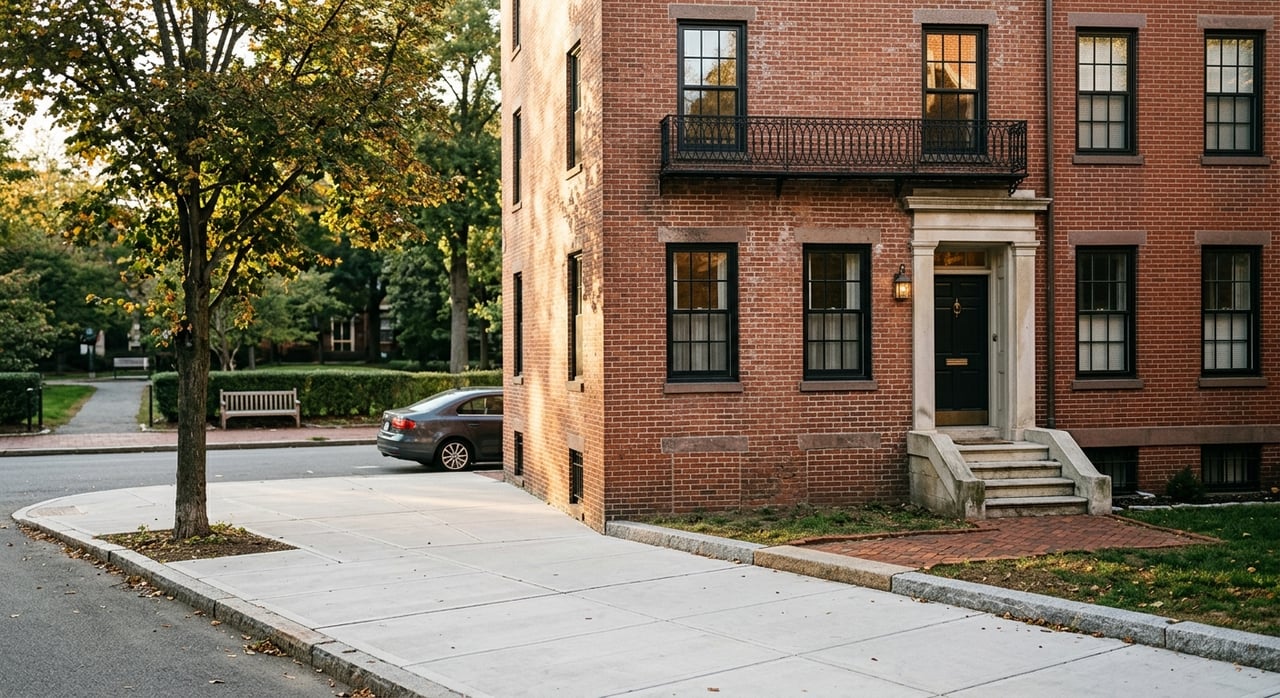
If you are thinking about a move to Arlington, your daily routine may matter just as much as the home itself. In one part of the county, you can step outside and walk to Metro, dinner, and a park in the same evening. In another, you may find a quieter residential setting just a short distance from the action. This guide will help you understand how walkability, parks, and dining shape everyday living in Arlington so you can focus on the area that fits you best. Let’s dive in.
How Arlington Feels Day to Day
Arlington is shaped less like a city with one main downtown and more like a network of connected districts. According to Arlington County, its planning approach focused higher-density, mixed-use development near Metro stations while preserving existing residential neighborhoods farther out.
That matters because your day-to-day experience can change quickly from one pocket to the next. You might live near a busy corridor with shops, restaurants, transit, and public spaces, then reach a quieter residential street within a short walk or drive.
The county describes this pattern through its planning corridors and transit villages. In practical terms, that means Arlington often works best when you choose your location based on how you want to live, commute, and spend your free time.
Walkability Depends on the Pocket
A common question is whether Arlington is walkable. The short answer is yes, but the level of walkability depends heavily on the specific area.
The county identifies several core districts where daily errands, dining, and commuting are easier without a car. These places tend to cluster around Metro stations or major transit connections, which supports a more convenient and connected routine.
Clarendon and Courthouse
Clarendon is described by the county as a walkable mix of shops, bars, restaurants, office buildings, public art, and tree-lined streets. If you want an active setting where you can move easily between home, errands, and a night out, Clarendon offers that kind of rhythm.
Nearby Courthouse has a similarly convenient feel. Arlington County describes it as a busy neighborhood with easy access to public transportation plus dining and entertainment, which can make day-to-day living feel efficient and flexible.
Ballston and Rosslyn
Ballston functions as a major transportation hub with shops, restaurants, and open spaces. For buyers or renters who want a more urban routine with strong transit access, Ballston stands out as one of Arlington’s most practical options.
Rosslyn is another strong fit for condo or apartment living, with the county noting a mix of condominiums, office and residential buildings, shopping, and close Metro access. If your priority is staying well connected to transit and services, Rosslyn is worth a closer look.
Pentagon City and Crystal City
Pentagon City is described by the county as a dining and shopping destination within walking distance of Metro. That combination can appeal to people who want an easy commute and nearby conveniences built into their daily routine.
Crystal City offers a similar pattern, with Restaurant Row on 23rd Street South and walking access to Metro. The mix of shops, hotels, offices, and residences gives it a live-work-go feel that many relocation buyers find appealing.
Shirlington and Columbia Pike
Shirlington brings a different kind of walkable experience. Instead of a Metro-centered environment, it is built around a pedestrian promenade, cafes, restaurants, shops, arts, a library, and bus access to major destinations including the Pentagon, Tysons, and Alexandria.
Columbia Pike offers another neighborhood-based lifestyle. The county describes it as a cultural destination with dining, community events, farmers markets, and artistic landmarks, giving it a locally rooted feel with a blend of housing and businesses.
Transit Shapes Everyday Convenience
Arlington’s transit system is a major reason walkable living works here. The county says its transit program is designed to provide mobility without requiring a personal car, with options that include Arlington Transit, Metrorail, Metrobus, MetroAccess paratransit, and VRE.
In the Rosslyn-Ballston corridor, Metro stations anchor the county’s urban villages. In Shirlington, the bus transit center connects riders to Arlington, the Pentagon, Tysons, and Alexandria, which expands your options even if you are not living directly on a Metro line.
For many buyers, this comes down to lifestyle math. If you want to walk to transit, reduce driving, or simplify your commute, location near one of these transit-rich nodes can make a real difference.
Residential Areas Offer a Different Pace
One of Arlington’s strengths is variety. The county’s planning history notes that only about 11 percent of the county was targeted for high-density, mixed-use development, while the rest was designated low density to preserve existing neighborhoods.
That creates a clear contrast in how different areas feel. Near Metro and major corridors, the atmosphere is more active and urban. Beyond those nodes, the setting can become more residential and quiet, often within a short distance.
This is why two homes in Arlington can offer very different lifestyles even if they are not far apart. If you are comparing options, it helps to think beyond the address and focus on the routine each location supports.
Parks Are Part of Daily Life
Parks are a major part of Arlington’s appeal. Arlington County says its park system ranked seventh in the 2026 Trust for Public Land ParkScore and has remained in the top 10 for 11 consecutive years.
The county also notes nearly 49 miles of paved multi-use trails, along with additional hiking trails. That means outdoor time is not limited to a single destination. In many parts of Arlington, parks and trails can become part of your normal week, whether that means a morning walk, a bike ride, or time at a playground.
Trails and Regional Connections
Arlington’s trail network supports both recreation and movement around the area. The Four Mile Run Trail runs from Falls Church to the Mount Vernon Trail near Reagan National Airport, and the county also highlights regional connections to the Mount Vernon Trail and the W&OD Trail.
For residents, that creates flexibility. You can use trails for exercise, weekend outings, or simply to enjoy a more active routine close to home.
Parks With Different Uses
Long Bridge Park offers more than 36 acres of recreation and open space, including fields, walkways, an esplanade, playgrounds, and Potomac River views. It is a good example of how Arlington combines active recreation with open areas for relaxing outdoors.
Lubber Run Park provides a different experience, with 31 acres that include courts, playgrounds, a lawn, picnic shelter, amphitheater, and trails. Rosslyn Highlands Park is smaller and more urban, with a playground, fitness equipment, grills, and picnic tables.
In south Arlington, the Four Mile Run Valley corridor ties together parkland, trails, residences, cultural facilities, and service-oriented uses. That mix shows how outdoor space in Arlington often connects directly to everyday living rather than sitting apart from it.
Dining Is Clustered, Not Centralized
Arlington’s dining scene is strong, but it is not built around one single downtown. Instead, restaurants, cafes, and entertainment tend to cluster by neighborhood.
That is useful to know if dining access is high on your list. Rather than asking where downtown Arlington is, it makes more sense to ask which district matches how you like to spend your time.
Where Dining Stands Out
Clarendon is known for an eclectic mix of upscale businesses and locally owned shops, bars, and restaurants. Ballston offers a downtown-like mix of shops and restaurants, along with Ballston Quarter as a mixed-use retail, dining, and entertainment center.
Pentagon City is described by the county as a dining and shopping destination inside the Beltway. Crystal City includes Restaurant Row on 23rd Street South, while Shirlington centers on cafes, restaurants, arts, and entertainment.
Columbia Pike adds another layer with dining, community events, farmers markets, and artistic landmarks. Together, these areas show that Arlington’s food and retail life is more district-based than centralized.
How Housing Type Changes the Experience
The kind of home you choose can shape your lifestyle just as much as the district itself. In Arlington, certain areas align more naturally with certain housing types and routines.
For urban condo or apartment living, Rosslyn, Ballston, Pentagon City, and Crystal City are some of the clearest examples. The county describes these places as having condominiums or residential buildings, shopping, and close transit access.
For a townhome or mid-density feel, Shirlington stands out because the county specifically notes several townhouse communities along with high-rise apartments and a pedestrian-oriented retail core. Columbia Pike can offer a similar middle ground, with a blend of housing, local shops, and restaurants.
If you are deciding where to buy, this is where strategy matters. A home that looks great on paper may feel very different once you factor in walkability, parks, transit, and how close you want to be to dining and daily services.
What Buyers and Sellers Should Keep in Mind
For buyers, Arlington is usually less about asking whether the county is walkable and more about asking how walkable your specific block or district will be. The best fit depends on whether you want a Metro-centered routine, a more residential pace, or something in between.
For sellers, these same lifestyle patterns can shape how your home is positioned in the market. Proximity to transit, trails, parks, dining clusters, and neighborhood services often helps define how buyers experience value.
When you look at Arlington through the lens of everyday living, the county becomes easier to understand. It is a place where walkability, green space, and dining options vary by pocket, and choosing the right one can make your daily routine feel much more seamless.
If you are thinking about buying or selling in Arlington, working with someone who understands how these micro-locations affect lifestyle and value can help you make a smarter move. To talk through your goals and what part of Arlington may fit best, connect with Katrina Funkhouser.
FAQs
How walkable is everyday living in Arlington, VA?
- Arlington can be highly walkable, especially in core districts like Clarendon, Courthouse, Ballston, Pentagon City, Crystal City, and Shirlington, but the level of walkability depends on the specific pocket.
Which Arlington neighborhoods have the easiest transit access?
- Arlington County highlights strong transit access in Metro-oriented areas like Rosslyn, Ballston, Clarendon, Courthouse, Pentagon City, and Crystal City, while Shirlington is a key bus-connected district.
What parks and trails are popular in Arlington, VA?
- Arlington offers nearly 49 miles of paved multi-use trails, plus destinations like Long Bridge Park, Lubber Run Park, Rosslyn Highlands Park, and the Four Mile Run Trail.
Where can you find dining and entertainment in Arlington?
- Dining and entertainment are spread across neighborhood clusters, with notable concentrations in Clarendon, Ballston, Pentagon City, Crystal City, Shirlington, and Columbia Pike.
What kind of lifestyle does Arlington offer for condo buyers?
- Condo and apartment buyers often focus on Rosslyn, Ballston, Pentagon City, and Crystal City because these areas combine residential buildings with shopping, dining, and close transit access.
How do quieter residential parts of Arlington compare to the core districts?
- Arlington’s core districts tend to be more active and transit-rich, while areas farther from major corridors often feel more residential because the county preserved much of its lower-density neighborhood fabric.